Teeth Whitening Results
A clear way to understand shade change, natural variation, documented examples and responsible long-term expectations.
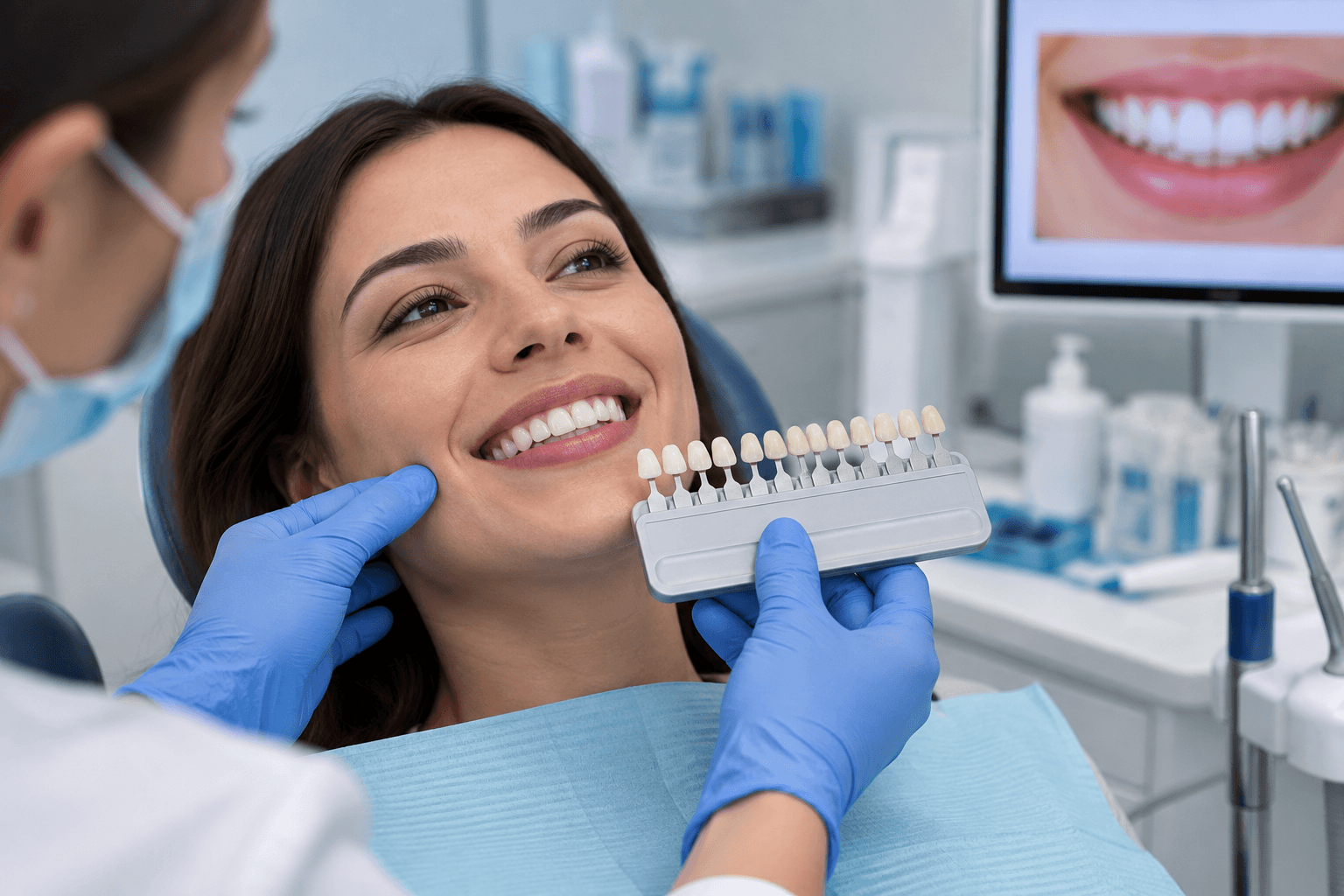
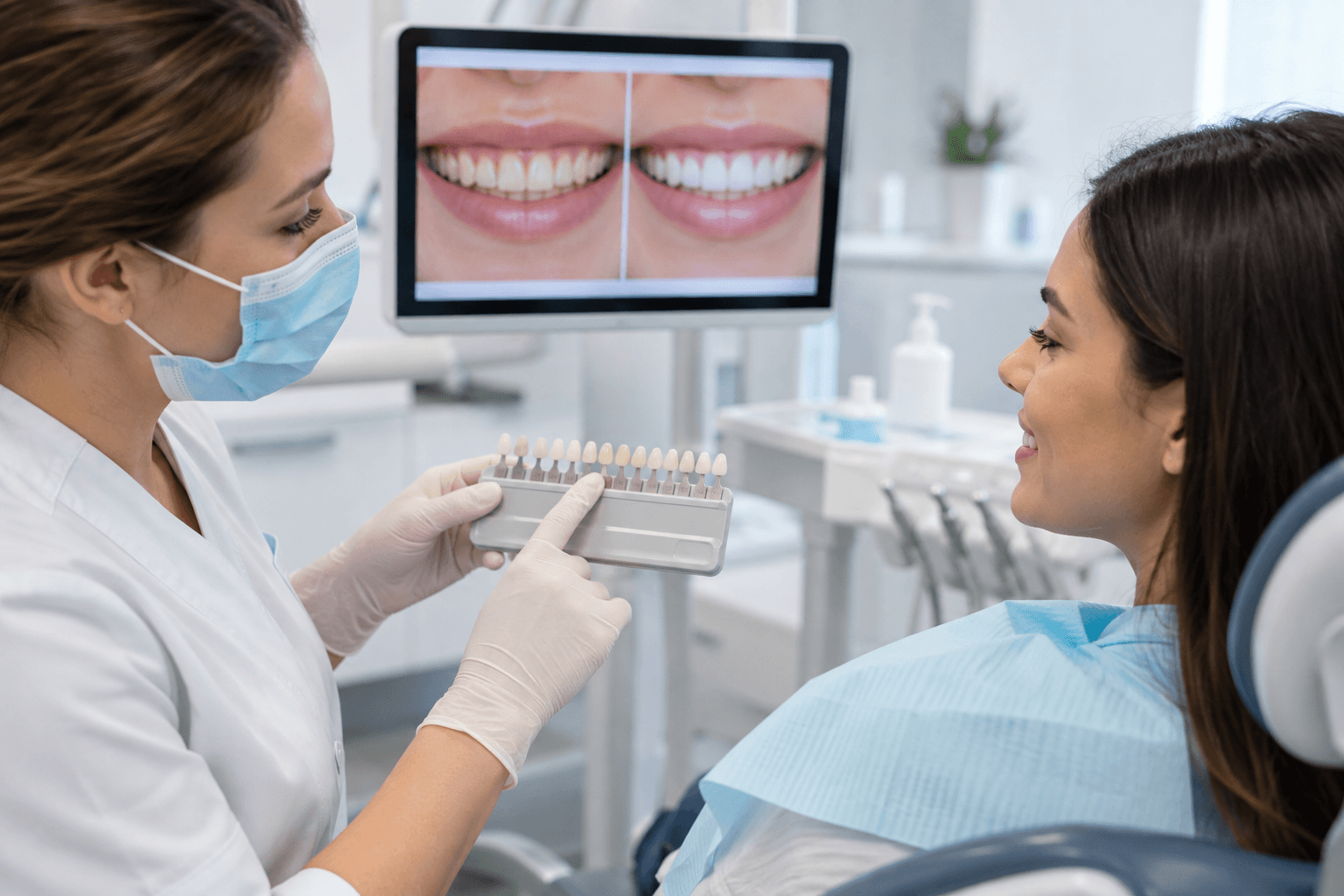
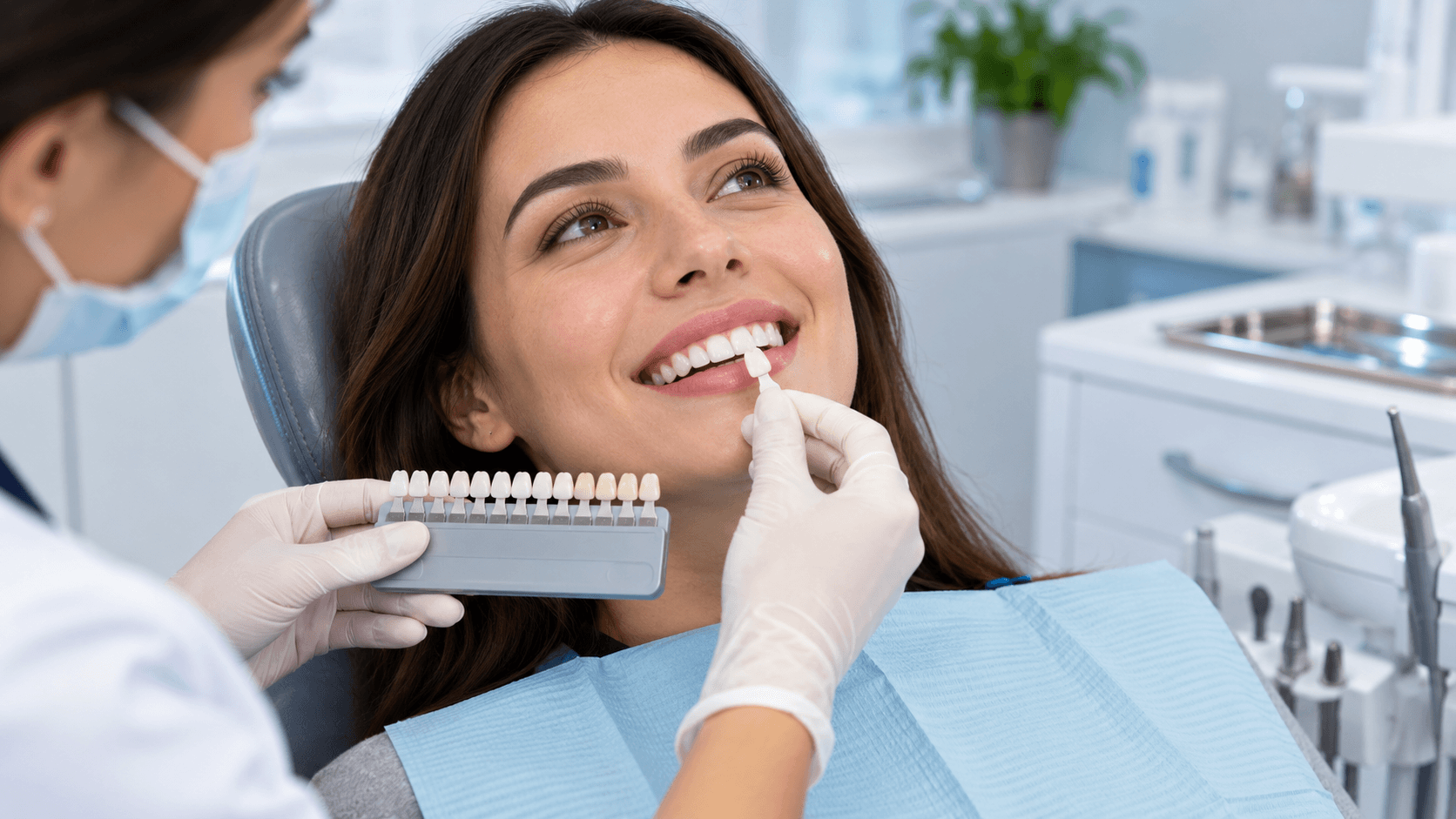
Teeth Whitening results are easiest to understand when the starting point, method, lighting and review timing are recorded consistently. A gallery can show examples, but it cannot tell a new visitor exactly how their teeth will respond. The reference gallery contains four individual records with reported changes of nine, seven, six and eight shades.
This page explains those examples without presenting them as promises. It also describes how shade guides, photographs, tooth moisture, visible restorations, stain type and lifestyle influence what a before-and-after comparison can genuinely show.
How to read Teeth Whitening results
A result should be understood as a change from a documented starting shade rather than a comparison with edited photographs or another person’s smile. This distinction matters because a useful plan begins with the condition of the teeth and gums, not with a promise about a particular shade. Recording the starting point makes later discussion more objective and prevents ordinary lighting changes from being mistaken for treatment progress.
Neutral lighting, a consistent camera position and the same shade guide make before-and-after records more meaningful. In day-to-day terms, the person should understand what will happen, how comfort will be checked and which changes might require the plan to pause. A calm sequence gives both the person and the practitioner clear points at which to review suitability.
Dehydration immediately after treatment and different screen settings can temporarily exaggerate brightness. Good information also separates an expected temporary response from a sign that needs attention. That boundary helps people avoid either ignoring discomfort or worrying unnecessarily about a short-lived, manageable sensation.
The most useful review considers shade, evenness, comfort and whether the appearance remains natural once the teeth have rehydrated. The most reliable decision is therefore one based on assessment, proportionate expectations and written aftercare. It should remain possible to adapt timing and intensity when the person’s oral health, sensitivity or lifestyle makes a standard approach unsuitable.
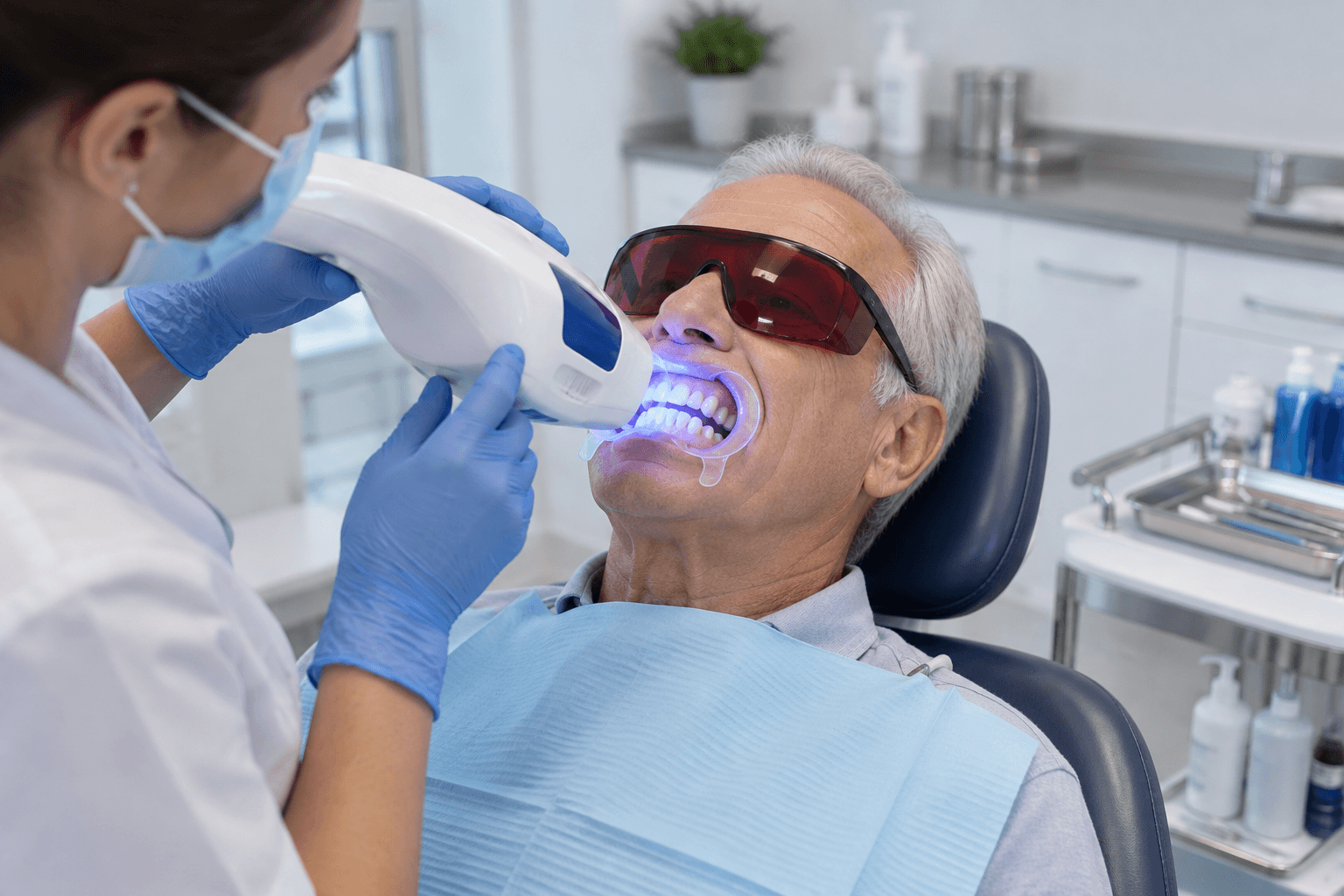
Documented example: older adult with mixed staining
The reference gallery describes a seventy-five-year-old with tobacco, coffee, red-wine and general food staining who was recorded as nine shades lighter. The practical value lies in consistency. The same lighting, shade guide and viewing conditions should be used when comparing the starting shade with the later appearance, because casual photographs and memory can exaggerate or hide small differences.
The described plan combined a one-hour laser session with home maintenance, illustrating how a visible initial change and a later routine may be linked. A responsible experience includes time for questions before anything is applied. People should know which teeth are expected to respond, why restorations behave differently and how the visible smile area may influence the final impression.
That individual record is not a prediction for someone else, especially where enamel thickness, dental work and stain depth differ. No single description can predict an individual outcome. Enamel thickness, underlying dentine, previous dental work, stain depth and daily habits all influence how the teeth look before and after Teeth Whitening.
A comparable case should be assessed on its own starting condition and not measured against the largest change in a gallery. Review should focus on a balanced, natural appearance and oral comfort rather than an arbitrary idea of maximum whiteness. A measured endpoint is easier to maintain and less likely to encourage unnecessary repeat treatment.
Documented example: smoking and coffee staining
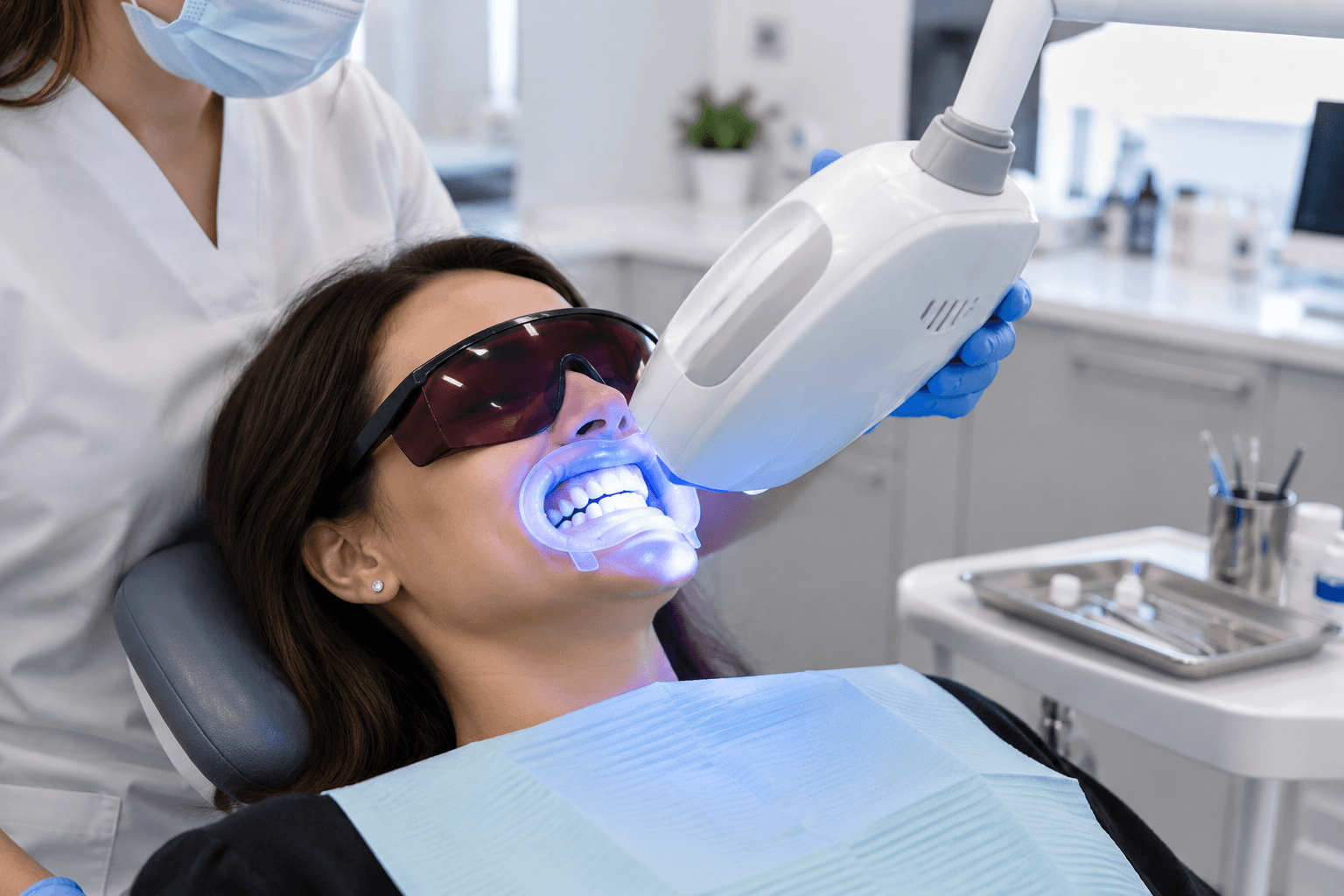
A second reference case records a twenty-eight-year-old with smoking, coffee and general lifestyle staining as seven shades lighter after a one-hour power laser treatment. This part of the process is most useful when it translates general information into a personal sequence. Dates, agreed priorities, baseline observations and aftercare notes create continuity if questions arise after the appointment.
The example shows why stain history belongs beside the shade number; the figure alone does not explain what kind of discolouration responded. Small practical choices can make a meaningful difference: allowing time rather than rushing, protecting the soft tissues, following the stated exposure period and avoiding improvised top-ups all support a more controlled experience.
Continuing tobacco or frequent coffee exposure may influence maintenance and cannot be cancelled by the initial result. Where uncertainty exists, the safer response is to pause and assess rather than continue automatically. Active decay, gum inflammation, unexplained pain or a change in the mouth deserves attention before cosmetic treatment proceeds.
Aftercare should therefore connect the visible change with practical choices that the person is realistically able to sustain. Long-term satisfaction depends on what happens after the visible first result. Hygiene, professional cleaning where appropriate, moderation of staining exposure and realistic maintenance intervals all help preserve the appearance without turning care into an excessive routine.
Documented example: diffuse yellowing
The reference gallery records a twenty-year-old with general staining and diffuse yellowing around the canines and front incisors as six shades lighter. This distinction matters because a useful plan begins with the condition of the teeth and gums, not with a promise about a particular shade. Recording the starting point makes later discussion more objective and prevents ordinary lighting changes from being mistaken for treatment progress.
The description notes adjustment towards a more even appearance, highlighting that distribution and balance can matter as much as the headline shade change. In day-to-day terms, the person should understand what will happen, how comfort will be checked and which changes might require the plan to pause. A calm sequence gives both the person and the practitioner clear points at which to review suitability.
Canines naturally tend to appear deeper in colour than central incisors, and forcing identical brightness may not produce the most natural result. Good information also separates an expected temporary response from a sign that needs attention. That boundary helps people avoid either ignoring discomfort or worrying unnecessarily about a short-lived, manageable sensation.
Review should consider harmony across the visible smile rather than judging one tooth in isolation. The most reliable decision is therefore one based on assessment, proportionate expectations and written aftercare. It should remain possible to adapt timing and intensity when the person’s oral health, sensitivity or lifestyle makes a standard approach unsuitable.
Documented example: general lifestyle staining
A fourth reference case describes a thirty-two-year-old with general lifestyle staining as eight shades lighter after a one-hour power laser session. The practical value lies in consistency. The same lighting, shade guide and viewing conditions should be used when comparing the starting shade with the later appearance, because casual photographs and memory can exaggerate or hide small differences.
The account represents a strong recorded change, but the useful information is the combination of starting condition, method and documented endpoint. A responsible experience includes time for questions before anything is applied. People should know which teeth are expected to respond, why restorations behave differently and how the visible smile area may influence the final impression.
Descriptions such as exceptionally white are subjective and should not replace a person’s own suitability assessment or an agreed natural-looking target. No single description can predict an individual outcome. Enamel thickness, underlying dentine, previous dental work, stain depth and daily habits all influence how the teeth look before and after Teeth Whitening.
Results communication should remain factual, show comparable images and avoid turning an individual outcome into a guarantee. Review should focus on a balanced, natural appearance and oral comfort rather than an arbitrary idea of maximum whiteness. A measured endpoint is easier to maintain and less likely to encourage unnecessary repeat treatment.
What shade guides can and cannot show
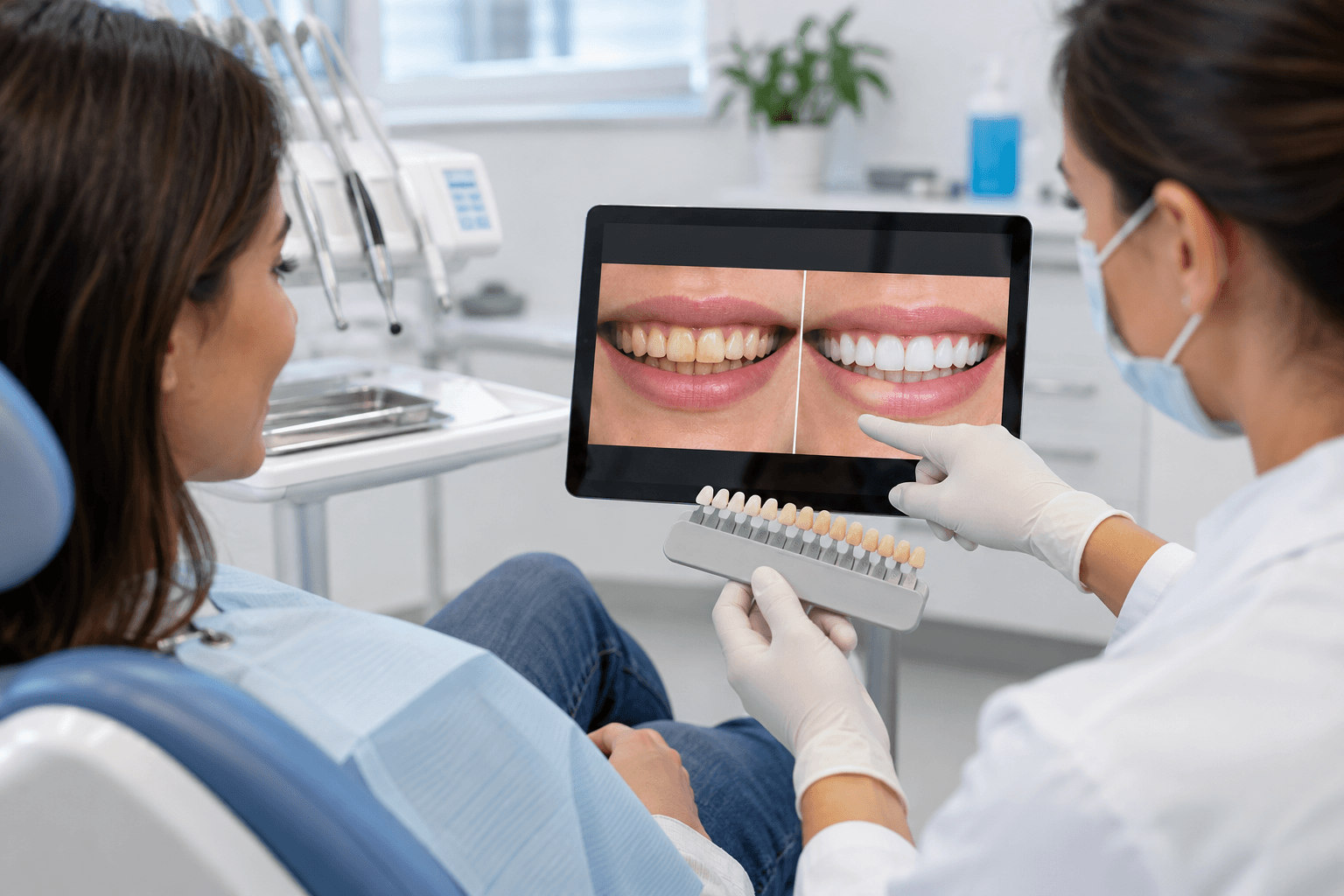
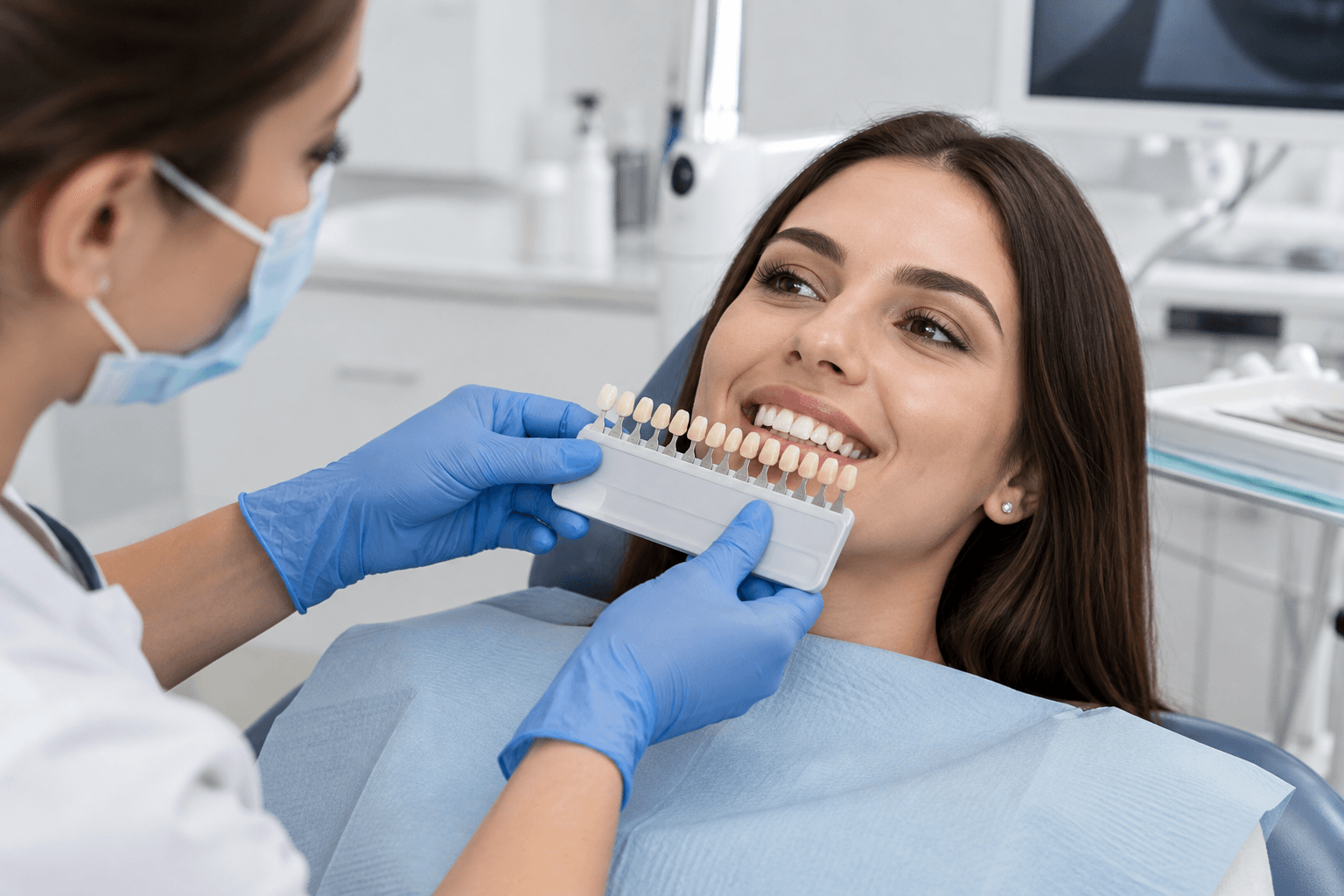
A shade guide provides a consistent reference for recording movement between categories, but it is not a universal measurement of beauty or oral health. This part of the process is most useful when it translates general information into a personal sequence. Dates, agreed priorities, baseline observations and aftercare notes create continuity if questions arise after the appointment.
Guides should be viewed under stable lighting and used in the same way before and after treatment. Small practical choices can make a meaningful difference: allowing time rather than rushing, protecting the soft tissues, following the stated exposure period and avoiding improvised top-ups all support a more controlled experience.
Different guides may use different sequences, and a numbered change on one system may not translate directly to another. Where uncertainty exists, the safer response is to pause and assess rather than continue automatically. Active decay, gum inflammation, unexplained pain or a change in the mouth deserves attention before cosmetic treatment proceeds.
The record should identify the system and conditions so the comparison can be understood later. Long-term satisfaction depends on what happens after the visible first result. Hygiene, professional cleaning where appropriate, moderation of staining exposure and realistic maintenance intervals all help preserve the appearance without turning care into an excessive routine.
The visible smile area
The reference gallery notes that laser treatment commonly focuses on the front upper and lower teeth visible when a person smiles, with the exact number varying by mouth size. This distinction matters because a useful plan begins with the condition of the teeth and gums, not with a promise about a particular shade. Recording the starting point makes later discussion more objective and prevents ordinary lighting changes from being mistaken for treatment progress.
A broad smile may show more teeth than a narrow smile, so planning should consider the person’s natural expression rather than a fixed count. In day-to-day terms, the person should understand what will happen, how comfort will be checked and which changes might require the plan to pause. A calm sequence gives both the person and the practitioner clear points at which to review suitability.
Teeth outside the treated or visible zone may retain their original shade, and the transition should be discussed in advance. Good information also separates an expected temporary response from a sign that needs attention. That boundary helps people avoid either ignoring discomfort or worrying unnecessarily about a short-lived, manageable sensation.
Photographs of a relaxed and full smile can help define the practical treatment area. The most reliable decision is therefore one based on assessment, proportionate expectations and written aftercare. It should remain possible to adapt timing and intensity when the person’s oral health, sensitivity or lifestyle makes a standard approach unsuitable.
A natural-looking endpoint
A balanced result respects skin tone, lip colour, age, translucency and the normal variation between different teeth. The practical value lies in consistency. The same lighting, shade guide and viewing conditions should be used when comparing the starting shade with the later appearance, because casual photographs and memory can exaggerate or hide small differences.
The objective is usually a cleaner, brighter impression rather than a flat, opaque or artificial white. A responsible experience includes time for questions before anything is applied. People considering different Whitening Options Nottingham should understand which teeth are expected to respond, why restorations behave differently and how the visible smile area may influence the final impression.
Teeth Whitening changes colour but not tooth shape, gum level, alignment or surface texture. No single description can predict an individual outcome. Enamel thickness, underlying dentine, previous dental work, stain depth and daily habits all influence how the teeth look before and after Teeth Whitening.
Where those features drive dissatisfaction, colour treatment alone may not address the main concern. Review should focus on a balanced, natural appearance and oral comfort rather than an arbitrary idea of maximum whiteness. A measured endpoint is easier to maintain and less likely to encourage unnecessary repeat treatment.
Why the immediate shade may settle
Teeth can appear temporarily brighter immediately after treatment because moisture changes affect how light passes through the enamel. This part of the process is most useful when it translates general information into a personal sequence. Dates, agreed priorities, baseline observations and aftercare notes create continuity if questions arise after the appointment.
Allowing the shade to stabilise before making final comparisons reduces the risk of overstating the result. Small practical choices can make a meaningful difference: allowing time rather than rushing, protecting the soft tissues, following the stated exposure period and avoiding improvised top-ups all support a more controlled experience.
A small amount of settling is not necessarily treatment failure, while persistent unevenness or discomfort deserves review. Where uncertainty exists, the safer response is to pause and assess rather than continue automatically. Active decay, gum inflammation, unexplained pain or a change in the mouth deserves attention before cosmetic treatment proceeds.
Follow-up images should use the same conditions and be taken at an agreed interval rather than at random. Long-term satisfaction depends on what happens after the visible first result. Hygiene, professional cleaning where appropriate, moderation of staining exposure and realistic maintenance intervals all help preserve the appearance without turning care into an excessive routine.
Comfort is part of the result
A visually brighter shade is not the only measure of a good outcome; comfort, gum condition and the absence of avoidable irritation matter as well. This distinction matters because a useful plan begins with the condition of the teeth and gums, not with a promise about a particular shade. Recording the starting point makes later discussion more objective and prevents ordinary lighting changes from being mistaken for treatment progress.
Temporary sensitivity may occur, so its timing, location and intensity should be recorded if it affects the experience. In day-to-day terms, the person should understand what will happen, how comfort will be checked and which changes might require the plan to pause. A calm sequence gives both the person and the practitioner clear points at which to review suitability.
Severe, persistent or localised pain should not be normalised simply because a visible colour change was achieved. Good information also separates an expected temporary response from a sign that needs attention. That boundary helps people avoid either ignoring discomfort or worrying unnecessarily about a short-lived, manageable sensation.
A responsible result balances appearance with oral wellbeing. The most reliable decision is therefore one based on assessment, proportionate expectations and written aftercare. It should remain possible to adapt timing and intensity when the person’s oral health, sensitivity or lifestyle makes a standard approach unsuitable.
Responsible before-and-after photography
Photographs should be taken with consent, consistent framing and honest colour handling. The practical value lies in consistency. The same lighting, shade guide and viewing conditions should be used when comparing the starting shade with the later appearance, because casual photographs and memory can exaggerate or hide small differences.
Lighting, white balance, distance, lip position and camera settings should be comparable if images are used to demonstrate change. A responsible experience includes time for questions before anything is applied. People should know which teeth are expected to respond, why restorations behave differently and how the visible smile area may influence the final impression.
Filters, selective editing and different exposure settings can create a misleading impression. No single description can predict an individual outcome. Enamel thickness, underlying dentine, previous dental work, stain depth and daily habits all influence how the teeth look before and after Teeth Whitening.
People should also understand how their images will be stored, used and withdrawn from promotional use. Review should focus on a balanced, natural appearance and oral comfort rather than an arbitrary idea of maximum whiteness. A measured endpoint is easier to maintain and less likely to encourage unnecessary repeat treatment.
How long a result may remain visible
Longevity varies and is influenced by oral hygiene, professional cleaning, smoking, tea, coffee, red wine, pigmented foods and natural tooth changes. This part of the process is most useful when it translates general information into a personal sequence. Dates, agreed priorities, baseline observations and aftercare notes create continuity if questions arise after the appointment.
The first maintenance step is usually attention to daily habits rather than immediate repeat treatment. Anyone considering Professional teeth whitening in Nottingham should also understand that individual results and their longevity can vary according to starting shade, staining habits, tooth structure and ongoing aftercare.
No responsible gallery can prove how long a result will last for every visitor. Where uncertainty exists, the safer response is to pause and assess rather than continue automatically. Active decay, gum inflammation, unexplained pain or a change in the mouth deserves attention before cosmetic treatment proceeds.
Maintenance decisions should use the person’s own baseline and review history. Long-term satisfaction depends on what happens after the visible first result. Hygiene, professional cleaning where appropriate, moderation of staining exposure and realistic maintenance intervals all help preserve the appearance without turning care into an excessive routine.
Careful interpretation protects both accuracy and confidence. Teeth Whitening results should always be read in context.
Putting gallery examples into a fair context
The four verified gallery records are useful because each provides more than a photograph. They identify an age, a reported type of staining, a treatment description and a shade change. That context allows a reader to see that the nine-shade example involved mixed tobacco, coffee, red-wine and food staining, while the six-shade example described diffuse yellowing and general staining. Without those details, a gallery becomes a sequence of bright images with little value for informed comparison.
Even with context, the cases cannot be ranked as better or worse merely by the number of shades. A six-shade change that produces an even, natural appearance may be more suitable for one person than a larger change. Shade guides contain arranged samples, and movement across them is a convenient record rather than a universal scale of attractiveness. The shape of the smile, surrounding skin and lips, tooth translucency and the contrast between canines and incisors all influence how bright the final result appears.
The treatment descriptions also need careful reading. The reference identifies one-hour power laser treatment in several cases and a combination of a one-hour laser session with home maintenance in another. Those labels do not reveal every step of assessment, protection, application or follow-up, and they should not be used to recreate a procedure without appropriate training. Their role on this page is to report what accompanied each documented result, not to provide an unsupervised treatment instruction.
A responsible before-and-after record uses comparable conditions. The camera should be positioned similarly, the mouth should be held in a comparable way, and lighting and white balance should remain stable. The teeth should not be digitally brightened, and the surrounding image should not be darkened to increase contrast. Where an immediate image is used, its timing should be stated because temporary dehydration can make the teeth appear brighter than they will after normal moisture returns.
Comfort belongs in results reporting even when it is less visually striking. Temporary sensitivity, gum irritation or a need to stop early can materially change how a person experiences Teeth Whitening. A gallery that reports only shade movement does not provide a complete safety record. Individual assessment and follow-up are therefore still necessary, even when the visual example appears similar to a new visitor’s starting condition.
Long-term photographs can add another layer of meaning by showing how the appearance settles and how daily habits influence maintenance. Tea, coffee, smoking, red wine, pigmented foods, hygiene and professional cleaning may all affect the visible shade over time. A lasting result should not be described with an absolute duration because exposure and tooth structure differ. The fairest expectation is that the result will require ordinary care and may eventually need review rather than remaining fixed forever.
Result disclaimer
Individual Teeth Whitening outcomes vary. The four documented examples summarised here come from the supplied reference gallery and do not guarantee the same shade movement, comfort or longevity for another person. A current oral assessment and consistent records are necessary for a meaningful individual comparison.